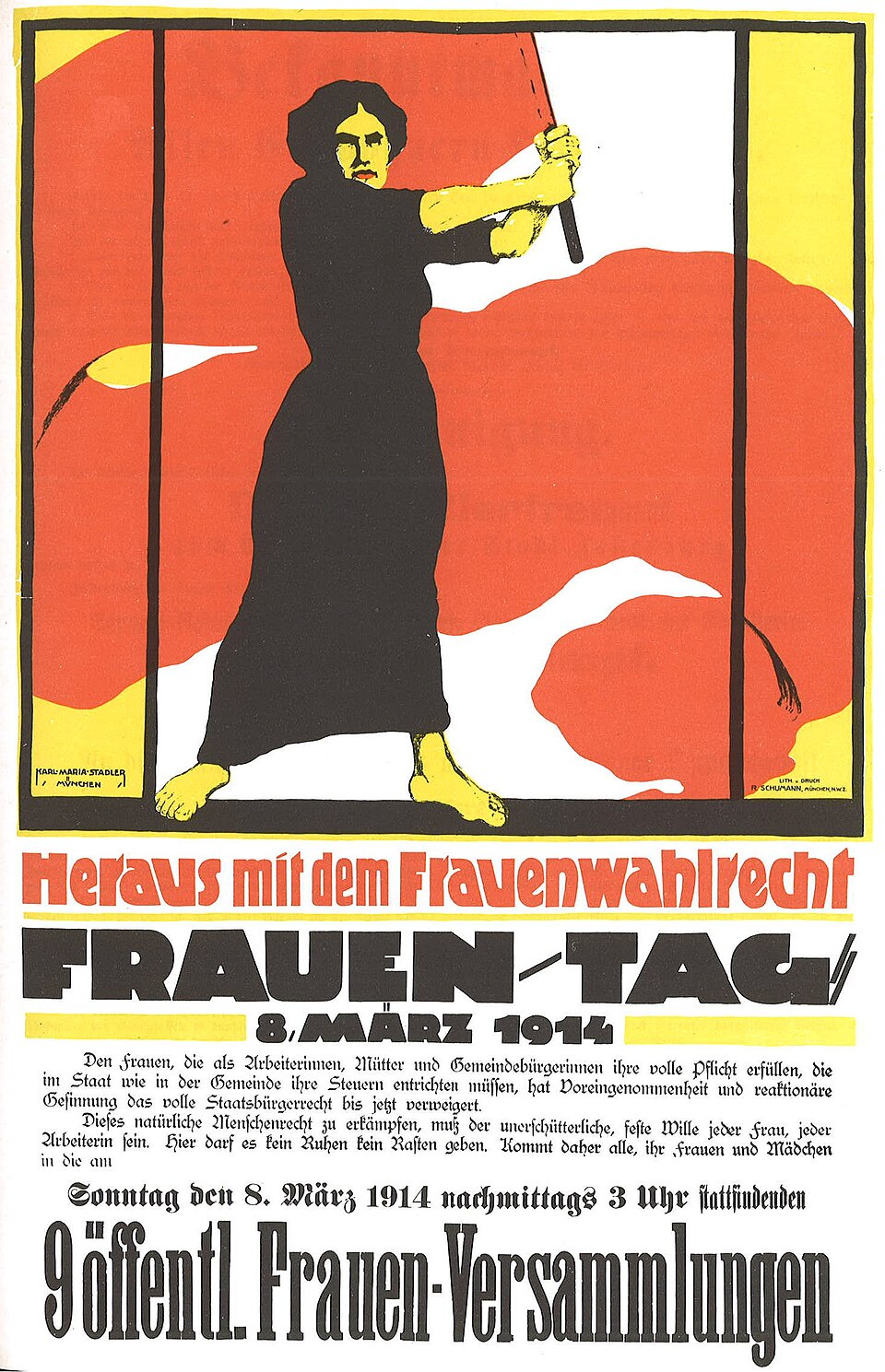
Each year on March 8th, the world pauses to observe International Women's Day, a powerful occasion that transcends cultural and geographical boundaries. More than just a date on the calendar, it's a profound global moment to reflect on the immense contributions of women across social, economic, cultural, and political spheres. While many extend a sincere Happy International Women's Day greeting, the day encompasses both celebration and a critical call to action for accelerating gender equality. It's a day to acknowledge how far we've come, to celebrate the trailblazers and everyday heroes, and to confront the persistent challenges women continue to face worldwide.
The Rich History of International Women's Day: From Labor Movements to Global Recognition
The roots of International Women's Day trace back to the early 20th century, a period of significant industrial expansion, social unrest, and burgeoning feminist thought in North America and Europe. It was born out of the struggles of labor movements and the burgeoning clamor for universal suffrage, demanding better working conditions, equal pay, and the right to vote.
- Early Stirrings (1908-1910): The earliest documented observance took place in New York City on February 28, 1909, organized by the Socialist Party of America in remembrance of a 1908 garment workers' strike. The idea quickly gained international traction.
- International Momentum (1910): At the second International Conference of Working Women in Copenhagen in 1910, Clara Zetkin, a prominent German socialist, proposed the idea of an International Women's Day. Over 100 women from 17 countries unanimously endorsed the proposal, though no specific date was set initially.
- First Global Observance (1911): Following Zetkin's proposal, International Women's Day was first celebrated on March 19, 1911, in Austria, Denmark, Germany, and Switzerland, drawing over a million participants who campaigned for women's right to work, vote, hold public office, and end discrimination.
- The Petrograd Strike and March 8th: The specific date of March 8th gained prominence due to a pivotal event in 1917. On this day (February 23rd in the Julian calendar, which was March 8th in the Gregorian calendar), women textile workers in Petrograd, Russia, launched a strike for "bread and peace," protesting food shortages and the war. This strike played a crucial role in igniting the Russian Revolution and ultimately led to women gaining voting rights in Russia. In 1922, Vladimir Lenin officially declared March 8th as International Women's Day in Russia, a date subsequently adopted by various socialist and communist movements.
- United Nations Endorsement (1977): It wasn't until 1977 that the United Nations officially recognized and began sponsoring International Women's Day, solidifying March 8th as the annual global observance. This marked a significant shift, transforming the day from a primarily socialist holiday into a universally recognized moment for advocating for women's rights and international peace.
This rich history underscores that International Women's Day is not merely a modern invention but a testament to decades, even centuries, of struggle and advocacy. It reminds us that fundamental rights often come as a result of tireless collective action.
Beyond Celebration: The Unwavering Call for Equality and Justice
While the greeting Happy International Women's Day encapsulates a spirit of celebration, it's vital to recognize that the day serves a dual purpose: to acknowledge progress and to highlight the continuing struggle for fundamental rights and opportunities. Each year, the United Nations selects a theme, bringing specific issues to the forefront. For instance, the 2026 theme, "Rights. Justice. Action. For ALL Women and Girls," perfectly encapsulates the ongoing mission.
International Women's Day draws critical attention to a spectrum of pervasive issues that hinder true gender equality:
- Violence and Discrimination: From gender-based violence and harassment to systemic discrimination in workplaces and public life, women globally still face unacceptable levels of harm and bias.
- Economic Inequality: The gender pay gap persists, women are disproportionately represented in low-wage work, and often lack equal access to financial resources, property, and entrepreneurial opportunities.
- Access to Education and Technology: Millions of girls and women are still denied basic education, and the digital divide further marginalizes them, limiting access to information, economic opportunities, and vital services.
- Reproductive Rights and Bodily Autonomy: Control over one's own body, including reproductive health decisions, remains a contentious and often restricted right for women in many parts of the world.
- Leadership and Political Representation: Women are still significantly underrepresented in leadership roles across politics, business, and civil society, despite being half the world's population.
- Intersectionality: The day also emphasizes the importance of intersectionality, recognizing that women's experiences are not monolithic. Women face additional layers of discrimination based on race, ethnicity, sexual orientation, disability, socioeconomic status, and other factors. Addressing gender equality effectively means understanding and tackling these intersecting oppressions.
The ongoing struggle highlighted on International Women's Day reminds us that achieving gender equality is not just about fairness; it's about unlocking human potential, fostering sustainable development, and creating more just and peaceful societies for everyone.
Observing International Women's Day Globally: Traditions and Modern Advocacy
The way International Women's Day is observed varies widely across countries and communities, reflecting diverse cultural contexts and political landscapes. From vibrant public demonstrations to intimate personal gestures, the day offers myriad avenues for recognition and action.
Diverse Celebrations and Demonstrations
- Protests, Rallies, and Marches: In many nations, March 8th is a powerful day for public demonstrations, with women and allies taking to the streets to demand political change, protest injustice, and advocate for specific rights. These events are crucial for keeping women's issues in the public discourse.
- Cultural Events: Beyond activism, the day is also celebrated with cultural events such as concerts, art exhibitions, film screenings, and markets that highlight women's achievements and creativity.
- Symbolic Gestures and Gifts: In some countries, it’s customary to give women gifts. A well-known example is Italy, where men traditionally present women with yellow mimosas, symbolizing respect and admiration.
- Digital Engagement: In the modern era, social media plays a significant role in amplifying messages, sharing stories, and fostering global solidarity. Hashtags and online campaigns spread awareness and empower individuals to participate from anywhere.
Meaningful Ways to Celebrate and Act
While a simple "Happy International Women's Day" is a kind gesture, truly observing the day means engaging with its deeper meaning. Here are some actionable ways to participate and contribute:
- Educate Yourself and Others: Take time to learn about the history of women's rights, the challenges women face today, and the impact of gender inequality. Share this knowledge with your friends, family, and colleagues.
- Support Women-Owned Businesses: Make a conscious effort to patronize businesses founded or led by women, contributing directly to their economic empowerment and success.
- Advocate for Change: Contact your elected representatives, support organizations working for gender equality, or volunteer your time. Every voice counts in pushing for policy changes and greater accountability.
- Lift Up Women in Your Life: Express gratitude and appreciation for the women who inspire you. Send Empowering Messages & Quotes for International Women's Day on March 8th to your mentors, friends, family, and colleagues. A thoughtful message or acknowledgement can make a significant impact.
- Challenge Bias and Stereotypes: Be mindful of how gender stereotypes manifest in daily life and challenge them when you encounter them, whether in media, conversations, or workplace dynamics.
- Mentorship and Sponsorship: If you are in a position to do so, mentor young women or actively sponsor female colleagues, helping them advance in their careers and reach their full potential.
- Engage in Year-Round Advocacy: Remember that the fight for equality doesn't end on March 8th. Integrate the principles of gender equality into your daily life and continue your advocacy throughout the year. For more ideas, explore Celebrating Women: Inspiring Ways to Observe International Women's Day.
Conclusion
International Women's Day is a pivotal moment, embodying both a joyous celebration of women's incredible achievements and a stark reminder of the work that remains. From its revolutionary origins in labor movements to its current status as a global platform for advocacy, March 8th calls on us all to reflect, educate, and act. As we extend a Happy International Women's Day greeting, let it be accompanied by a renewed commitment to fostering a world where every woman and girl can thrive, free from discrimination and empowered to reach their full potential. The journey towards true gender equality is ongoing, and our collective efforts, year after year, bring us closer to that vital goal.